

Why Seniors on Medicare Should Focus on an Alkaline, Healthy Body
As we age—especially after 65—our bodies naturally become more vulnerable to inflammation, fatigue, chronic conditions, and slower recovery. For seniors on Medicare, maintaining optimal health isn’t just about treatment—it’s about prevention, balance, and quality of life.
One concept gaining attention in wellness is the idea of supporting the body in a more alkaline-balanced state.

What Does “Alkaline” Mean for the Body?
The body tightly regulates blood pH, but diet and lifestyle can influence the body’s overall environment, particularly in how it handles inflammation, oxidative stress, and mineral balance.
A more “alkaline-supportive” lifestyle generally means:
Why This Matters for Seniors (65+)
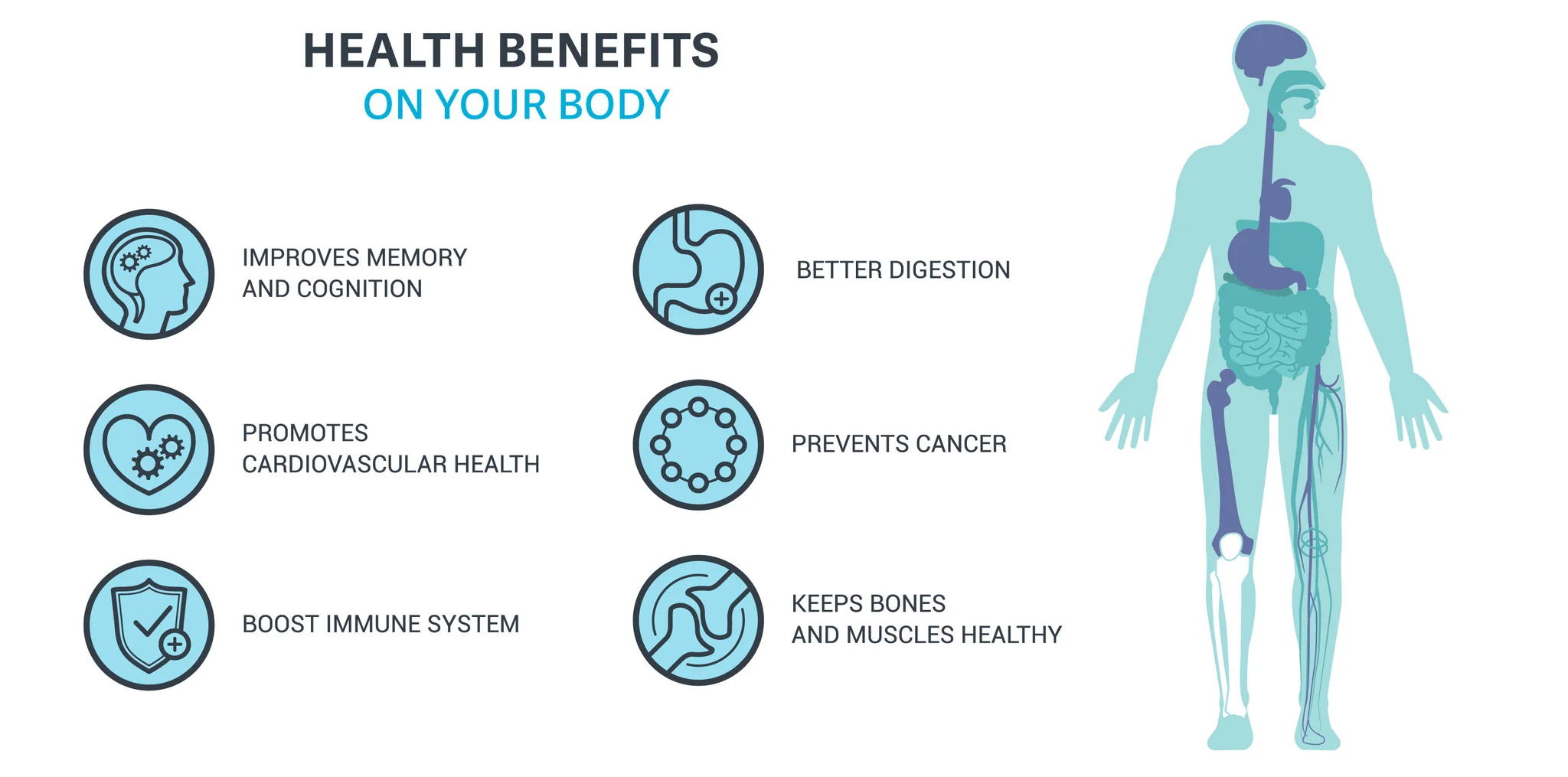
For Medicare-aged individuals, an alkaline-supportive lifestyle may help:
This becomes especially important as many seniors are managing conditions like:

1. Focus on Alkaline-Forming Foods
2. Reduce Acid-Forming Foods
3. Stay Properly Hydrated
4. Support Mineral Balance - Important minerals like magnesium, calcium, and potassium help maintain balance:
5. Stay Physically Active
6. Manage Stress - Chronic stress can contribute to inflammation:
7. Work With Healthcare Providers - Seniors on Medicare should always:
Simple Takeaway
For seniors on Medicare, an “alkaline lifestyle” isn’t about extreme diets—it’s about creating a healthier internal environment through better nutrition, hydration, movement, and balance.
It’s a preventive approach to aging well, helping seniors stay active, independent, and feeling their best for years to come.

MediSeniorCare Alkaline Program (MAP)
Helping Seniors Live Stronger, Healthier, and More Informed Lives
At MediSeniorCare, we believe that health after age 65 should be about more than just reacting to illness—it should be about prevention, education, vitality, and quality of life. That is why we created the MAP – MediSeniorCare Alkaline Program, a community-focused wellness initiative designed specifically for seniors, Medicare beneficiaries, assisted living residents, home health patients, and retirement communities.
The MAP Tour brings wellness education directly to senior communities, assisted living centers, home health groups, churches, recreational centers, and senior housing facilities. Our team provides engaging presentations for groups of 10 people to 100+ attendees, making it easy for seniors to receive valuable health information in a familiar and comfortable environment.

Why MAP Matters for Seniors
As we age, the body requires greater support through healthy lifestyle choices, hydration, nutrition, movement, and preventative awareness. Many seniors are looking for simple ways to feel better, improve energy, and stay active. The MAP program is built to educate seniors on practical habits that may support overall wellness, including:
Preventative Education + Medicare Awareness
Many seniors are unaware of the wellness benefits and preventative resources available through Medicare. During every MAP presentation, we also provide educational information about:
Bringing Wellness Directly to Senior Communities
The MAP Tour is ideal for:
We make it simple by coming directly to your location and delivering a positive, uplifting, and educational wellness experience.
Our Mission
Our mission is to help America’s seniors live healthier, longer, and more empowered lives through education, prevention, and wellness awareness.